



Ideal Environmental Conditions for Kiwi Planting and Cultivation
The most suitable soil for kiwi planting and cultivation is sandy soil with ample humus, commonly found in northern Iran, particularly in Astara. Due to its vigorous growth and high fruit yield, kiwi varieties require nutrient-rich soil. Understanding the specific needs of different kiwi varieties is crucial for successful kiwi cultivation. Kiwi plants are dioecious, meaning they have separate male and female plants. To ensure successful pollination and fruit production, it is crucial to plant one male tree for every few female trees. Adequate kiwi irrigation and proper kiwi pruning techniques are also essential for healthy growth and optimal yield.
Kiwifruit: A Nutritional Powerhouse
Kiwi fruit packs a powerful punch of vitamins and minerals, including Vitamin C, Vitamin D (from its black seeds), Vitamin A, Vitamin B, magnesium, and potassium. These nutrients contribute to various health benefits, such as improved lung and digestive function and regulated blood pressure.
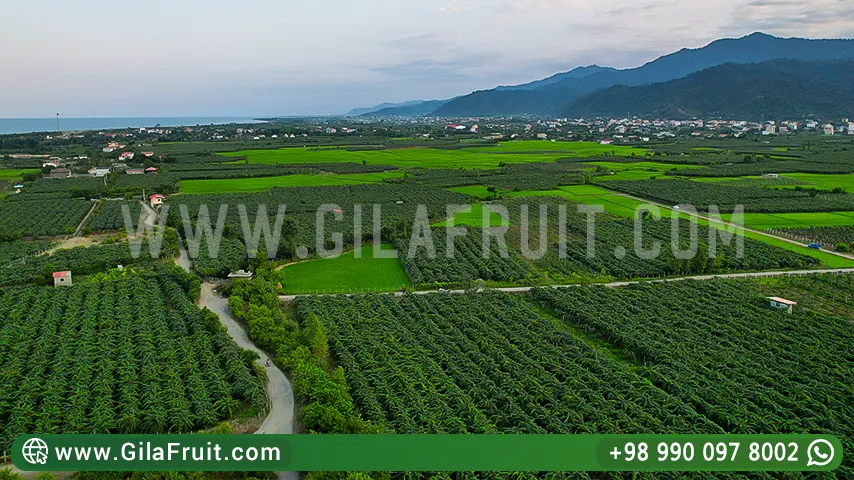
The Structure of Kiwifruit Vines
Kiwi plants are characterized by their vigorous vines that can grow up to 9 meters in length and carry substantial weight. Like other vines, they thrive when trained on vertical structures, allowing for maximum sunlight exposure. Kiwi vines can climb various supports, including trees, pergolas, and fences. Commercial kiwifruit growers typically utilize six-foot-high wire trellises and 4.5 to 6-meter-long T-bars to support the vines, optimizing kiwi cultivation practices.
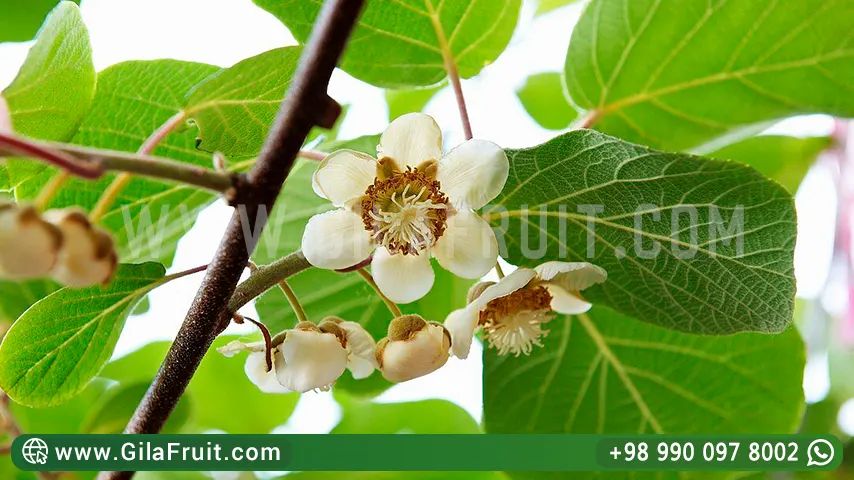
Kiwi Vine Pruning: An Essential Practice
As your kiwi plant grows, it will produce new shoots. These shoots should be carefully tied to the trellis or support structure to encourage a strong central trunk. Kiwi pruning is recommended once a year to remove excess wood and lateral branches that are not supported by the structure. This practice promotes healthy growth and optimal fruit production, crucial for successful kiwi planting and cultivation.
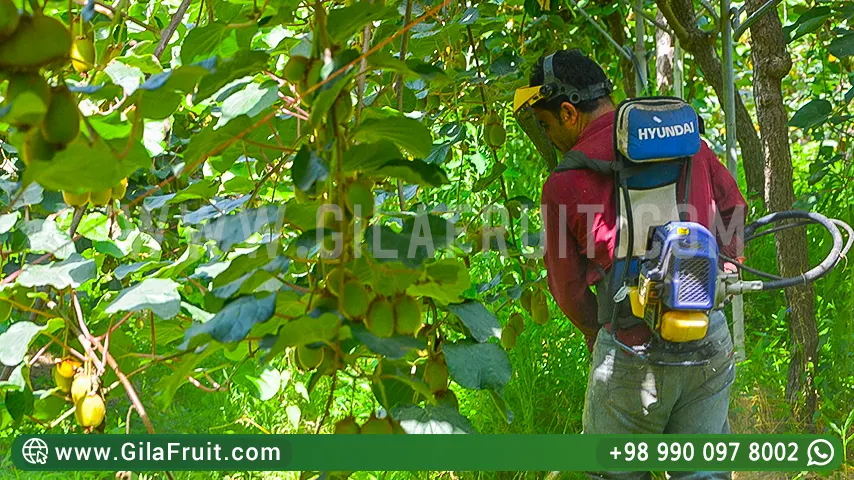
The Diversity of Kiwi Varieties
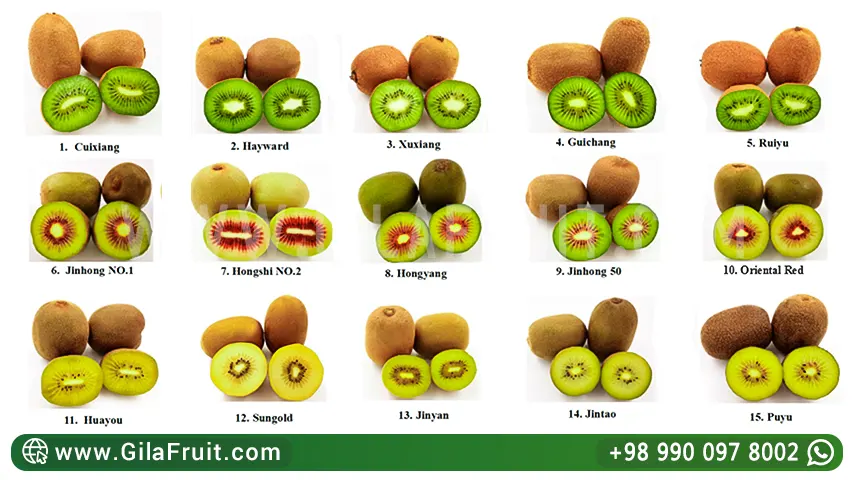
New kiwi varieties offer unique characteristics beyond the traditional green kiwi. These kiwi varieties include variations in flesh color (red or golden), skin color, sweetness, and texture. These new kiwi varieties are adaptable to various soil types and can even be produced as a miniature tree for home use. Kiwi pruning is essential to maintain the health and shape of these new varieties. Proper kiwi pruning ensures better fruit production and growth. Kiwi pruning techniques can help manage the size and appearance of the plants, especially when growing miniature kiwi trees for home use.
Kiwi Irrigation: Striking the Right Balance
Proper irrigation is a critical aspect of kiwi cultivation that requires careful attention. These plants need ample water, but overwatering can be detrimental to their health and productivity. Proper kiwi irrigation practices are essential for healthy growth and abundant fruit production.
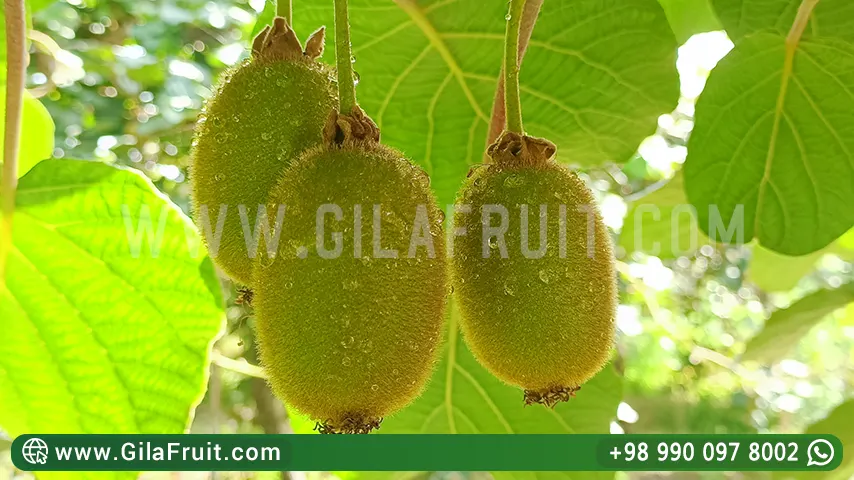
Kiwi Tree Irrigation Methods
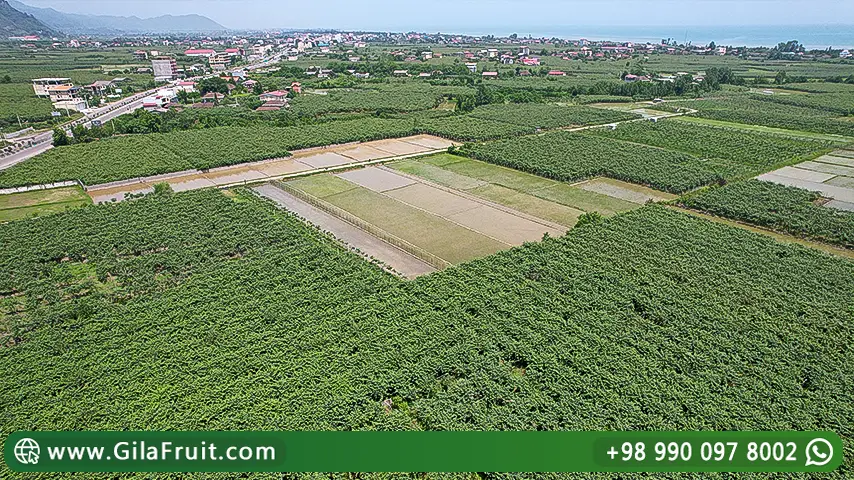
In kiwi planting, two primary methods are commonly used for kiwi irrigation: drip irrigation and micro-jet irrigation. These techniques are widely employed in kiwi orchards across northern Iran, particularly in the Gilan province and the Choobar region, contributing to efficient and sustainable kiwi cultivation.







No comment